Celebrate Creativity: The Design Power of Pizza Day
Imagine a design element that instantly evokes joy, community, and a touch of playful nostalgia. That’s the unique power of a well-crafted typeface like Pizza Day. More than just letters on a page, this font is a creative asset designed to inject personality and warmth into a wide array of visual projects. For graphic designers, marketers, and creators, understanding how to leverage such a distinctive font can transform standard communications into memorable brand experiences.
Understanding the Pizza Day Font in Modern Design
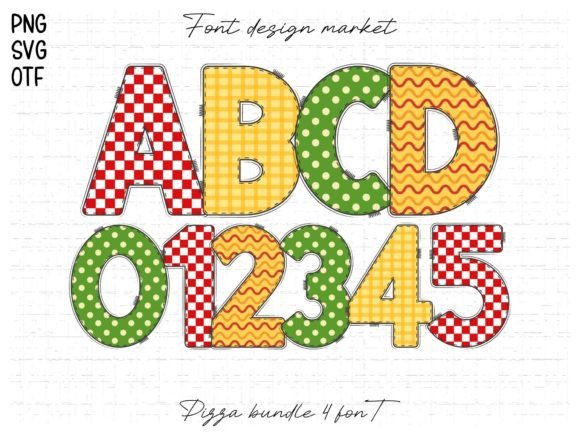
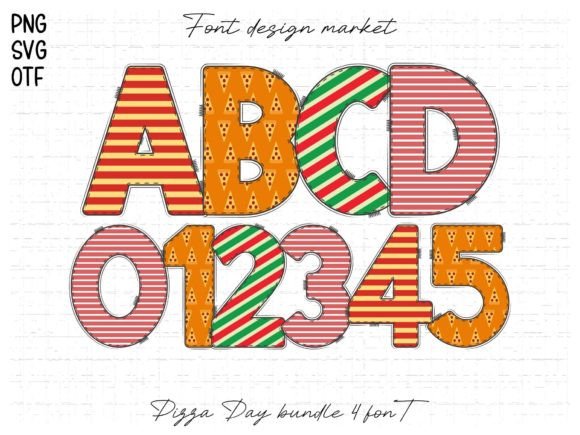
Pizza Day isn't just a whimsical name; it represents a specific typographic style characterized by rounded, friendly forms and often a vibrant, hand-drawn quality. In the context of graphic design and typography, such fonts are invaluable for breaking away from the sterile, corporate look of standard sans-serifs. They excel in creating an approachable, energetic, and artistic feel, making them a strategic tool for visual communication.
Their importance lies in their ability to shape brand identity and user perception instantly. A playful font can make a brand seem more accessible, innovative, and fun, which is crucial in crowded markets. This aligns with current design trends that favor authenticity and human-centric aesthetics, moving beyond mere functionality to create emotional connections.
Practical Applications for Creative Projects
The versatility of the Pizza Day font makes it a powerful component across numerous design workflows. Its primary strength is in projects aiming for a playful, artistic, or youthful vibe. Here’s how it can be applied effectively:
- Branding & Logo Design: Ideal for businesses in food, entertainment, education, or any sector targeting families and children. It can form the basis of a friendly logo or be used for secondary brand marks.
- Marketing Materials: Use it for headlines in posters, flyers, and invitations to grab attention. Its character ensures key messages stand out in advertising campaigns.
- Social Media & Digital Content: Create eye-catching graphics, stories, and thumbnails that encourage engagement. It’s perfect for brands cultivating a fun online personality.
- Editorial & Packaging Design: In children’s books, it enhances the reading experience with its whimsical, easy-to-read forms. On packaging, it can communicate product personality, especially for snacks, crafts, or toys.
- Merchandise & Digital Products: Apply it to t-shirts, mugs, stickers, or digital planners to add a unique, artistic touch that fans will love.
Tips for Effective Font Selection and Use
Integrating a distinctive font like Pizza Day requires thoughtful consideration to maintain design integrity. Always prioritize readability; even the most playful font must be legible at various sizes, especially for body text or critical information. Consider the visual hierarchy in your design—use this font for headlines or accents where it can shine without overwhelming the viewer.
Compatibility is a critical, practical concern. As noted, font versions (black vs. color, OTF/TTF) have specific software requirements. Always check compatibility with your design tools, whether for professional software like Adobe Illustrator or for cutting machines like Cricut. This ensures a smooth design workflow and prevents technical setbacks.
Finally, ensure the font’s personality aligns with your brand identity and audience expectations. A playful font is a poor choice for a corporate law firm but a perfect match for a pediatric clinic or a craft brewery. Consistency in its use will strengthen your brand’s visual language.
Elevating Your Design with Intentional Choices
Thoughtful typography is a cornerstone of professional graphic design. Selecting a font like Pizza Day is about more than aesthetics; it’s a deliberate choice to communicate a specific tone, emotion, and value. By pairing it with a complementary color palette, clean composition, and clear imagery, you create a cohesive and polished result. High-quality creative assets, chosen with an understanding of their impact, are what separate good design from great design, ultimately enhancing both the beauty and the effectiveness of your visual communication.