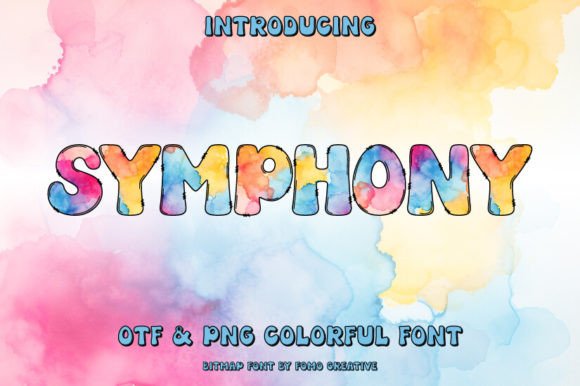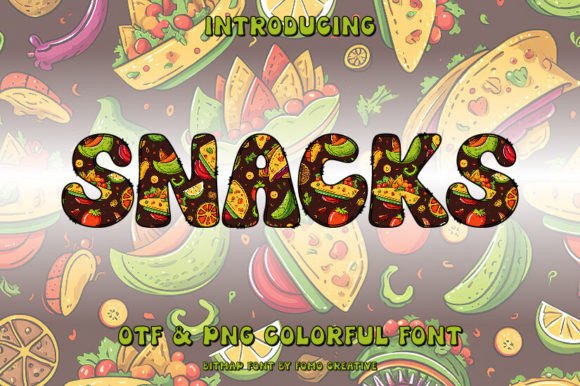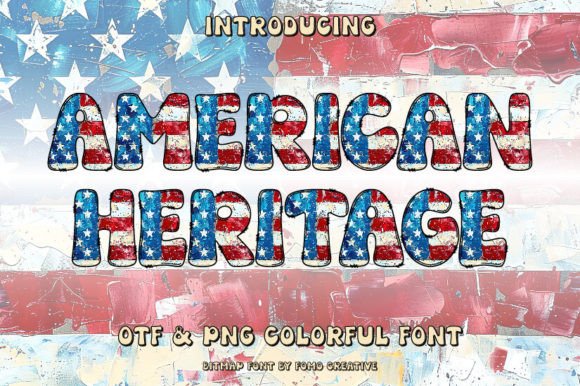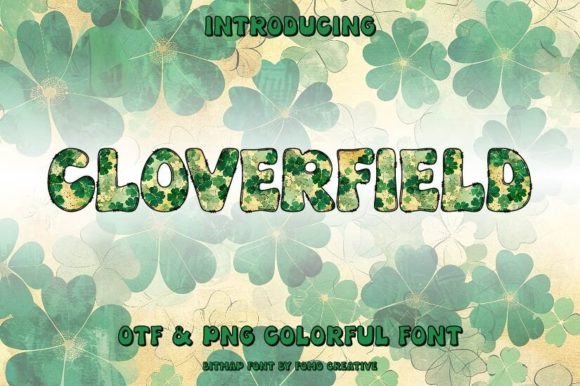
The Power of Playful Design: Using Fun Fonts to Captivate and Connect
In a crowded visual landscape, a touch of whimsy can be your most powerful tool for grabbing attention. Injecting fun into your designs, particularly through typography, isn't just about being cute—it's a strategic choice to create memorable, engaging, and effective visual communication that resonates on a human level.
Understanding Fun in Professional Design
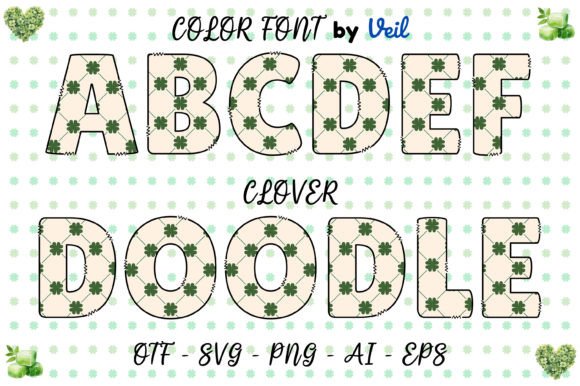
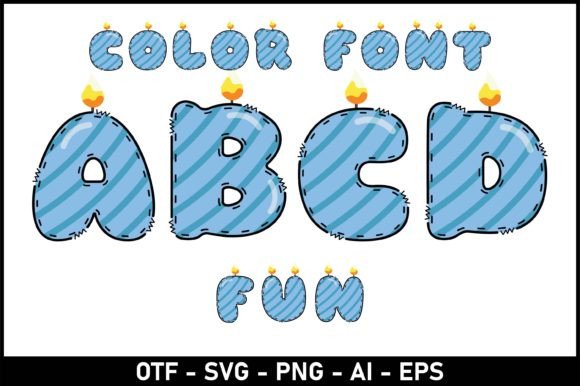
In graphic design, "fun" refers to a style characterized by playful shapes, energetic lines, and often, a hand-crafted or whimsical aesthetic. These fonts are designed to evoke joy, curiosity, and approachability. They are a cornerstone of creative assets for projects that aim to break away from corporate stiffness and connect emotionally with their audience. This style is crucial for building a distinct brand identity that feels authentic and relatable.
The role of fun elements extends beyond mere decoration. They actively shape user experience (UX) and engagement. A playful font on a call-to-action button can increase clicks, while a whimsical heading in an email newsletter can improve read-through rates. It’s about aligning the visual tone with the message and the audience's expectations, whether for a children's brand, a quirky startup, or a creative community.
Practical Applications Across Creative Projects
Integrating fun typography and design elements can elevate a wide array of projects. The key is strategic application that serves the project's goals.
- Branding & Logo Design: A playful font can define a brand's personality, making it stand out in industries like children's products, food & beverage, or lifestyle services. It sets the stage for a cohesive visual identity across all touchpoints.
- Marketing & Social Media Graphics: Fun, eye-catching type is perfect for grabbing attention in fast-scrolling feeds. It works well for promotions, event announcements, and community engagement posts where standing out is essential.
- Web & UI Design: Used judiciously, playful fonts can guide users, highlight special features, or make onboarding more enjoyable. They often pair well with clean, modern sans-serifs to balance personality with readability.
- Packaging & Print Design: On shelves, fun typography can communicate product benefits (e.g., "organic," "handmade," "delicious") instantly and create an emotional connection with shoppers. It's equally effective for posters, invitations, and greeting cards.
Guidelines for Selecting and Using Playful Elements
Choosing the right fun design assets requires careful consideration to maintain professionalism and effectiveness.
- Prioritize Readability: Whimsical should not mean illegible. Test your chosen font at various sizes, especially for body text or important information. Ensure it maintains clarity on both screens and in print.
- Maintain Visual Hierarchy: Use a fun font as a highlight, not the entire system. Pair it with a neutral, highly legible font for body copy. This creates a clear structure and prevents visual chaos.
- Know Your Audience: A playful style that delights a young audience might undermine the trust needed for a financial service. Ensure the tone aligns with your target demographic and their expectations.
- Ensure Consistency: Your fun elements should feel like part of a cohesive brand identity. Define rules for their use—specific colors, sizes, and contexts—to maintain a polished and professional presentation across all applications.
- Check Technical Compatibility: Verify the font's licensing for your intended use (web, print, merchandise) and ensure it includes necessary characters and formats for your design workflow.
Thoughtful design is about making intentional choices that serve both form and function. Selecting the right creative assets, like a well-crafted playful font, is an investment in your project's ability to communicate, connect, and leave a lasting positive impression. By balancing fun with clarity and purpose, you create work that is not only visually appealing but also strategically sound, enhancing every aspect of your visual communication.