Exploring Ukraine's Typographic Influence in Modern Design
The vibrant artistic heritage of Ukraine continues to resonate across contemporary visual culture, offering designers a rich palette of inspiration. From traditional folk patterns to modern graphic expressions, Ukrainian design elements bring a unique blend of history and innovation to creative projects worldwide. Understanding this influence helps creators craft more meaningful and visually compelling work.
The Role of Playful Typography in Effective Communication
Typography that conveys a playful or artistic feel is essential for connecting with specific audiences. These fonts are often used in designs that aim to communicate joy, creativity, and approachability. For instance, children’s books often utilize fonts that are whimsical, colorful, and easy to read, creating an engaging reading experience for young audiences. This style extends beyond books to posters, invitations, greeting cards, and various branding materials where a friendly tone is desired.
Choosing the right typeface involves more than just aesthetics. Designers must consider readability, scalability, and compatibility with their overall design system. A font that works beautifully in a headline might not be suitable for body text. Similarly, decorative fonts should be used strategically to avoid overwhelming the viewer or compromising the visual hierarchy of a layout.
Practical Applications Across Creative Projects
The versatility of stylistic typography makes it valuable across numerous design disciplines. Here are some key areas where thoughtful font selection makes a significant impact:
- Branding and Logo Design: Unique typefaces help establish a distinct brand identity, making logos memorable and recognizable.
- Marketing Materials: From brochures to digital ads, the right font enhances message clarity and emotional appeal.
- Social Media Content: Eye-catching typography boosts engagement, making posts stand out in crowded feeds.
- Packaging Design: Font choice on product packaging influences consumer perception and shelf appeal.
- Editorial Layouts: Magazines and books use typography to guide the reader’s eye and establish a visual rhythm.
Technical Considerations for Seamless Integration
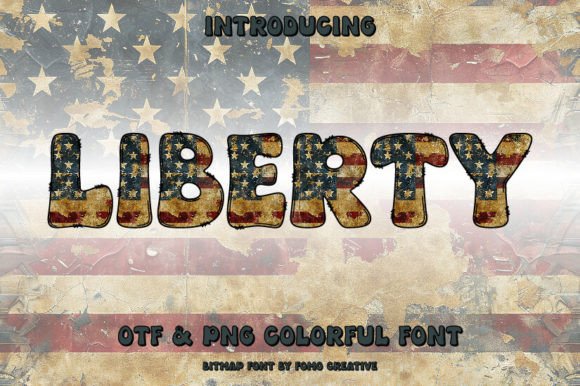
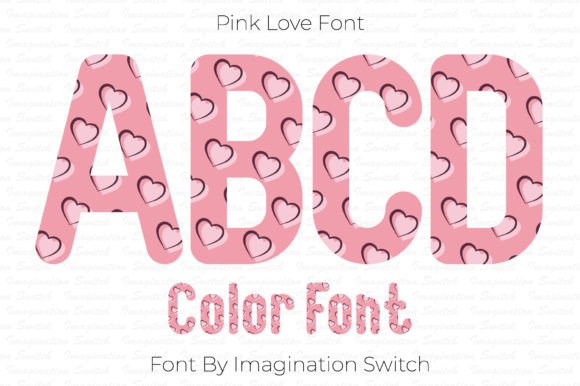
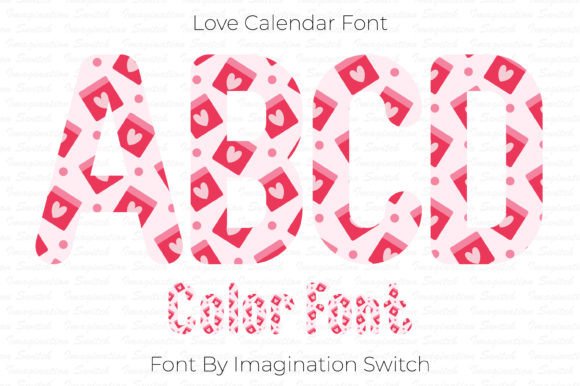
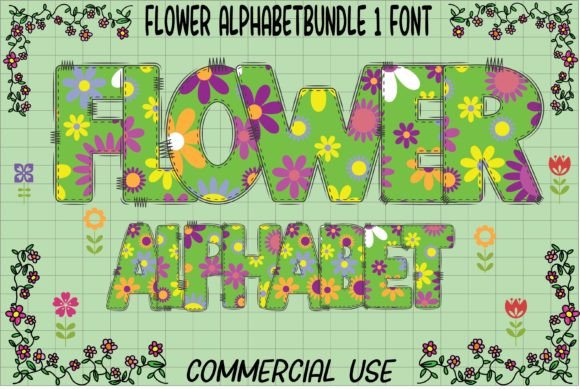
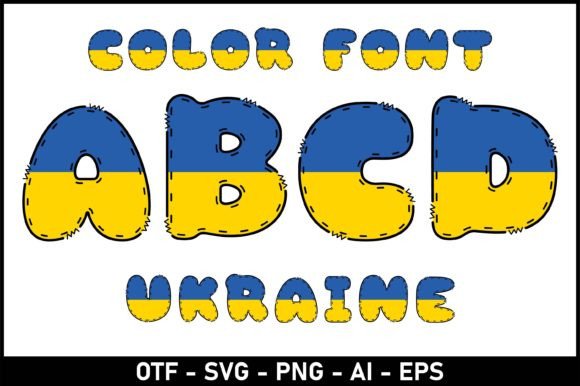
When incorporating new fonts into your workflow, technical compatibility is crucial. For example, the black version of a particular font might be fully compatible with Cricut Design Space and other cutting machines, enabling crafters and small business owners to produce physical products like decals and apparel. However, color fonts often have more specific requirements. Note! The color version of this font is only compatible with certain design programs incl. PhotoShop, Illustrator, Silhouette, and Inkscape. The OTF and/or TTF files of the color version are not compatible with Cricut.
Always verify file formats and software support before finalizing your asset choices. This prevents workflow disruptions and ensures your creative vision translates accurately from screen to final output. Resources like a comprehensive font guide can provide essential instructions for using advanced type features effectively.
Tips for Selecting and Evaluating Design Assets
To make informed decisions, consider these practical factors:
- Audience and Context: Who are you designing for, and where will they encounter the design? A playful font suits a children’s app but may not fit a corporate report.
- Consistency and Cohesion: Ensure new assets align with your existing brand color palette and overall visual language.
- Functional Versatility: Test fonts in various sizes and weights to confirm they maintain readability and impact across applications.
- Long-Term Utility: Invest in assets that offer flexibility for future projects, supporting your evolving design workflow.
Thoughtful selection of creative assets, from typography to color palettes, elevates both the aesthetic quality and communicative power of your work. By prioritizing usability, compatibility, and visual harmony, designers and creators can build more effective and engaging visual experiences. Quality design choices not only enhance beauty but also strengthen connection and understanding with your audience.