Creative: The Retro Color Font for Modern Design
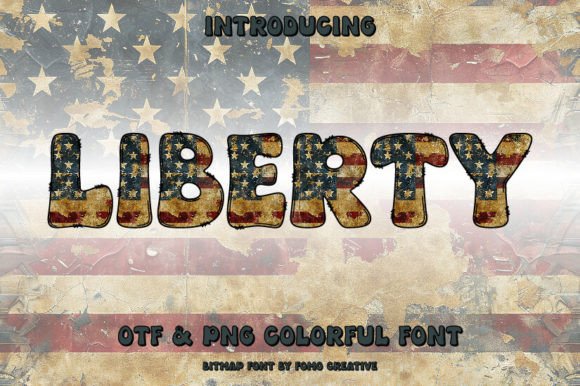
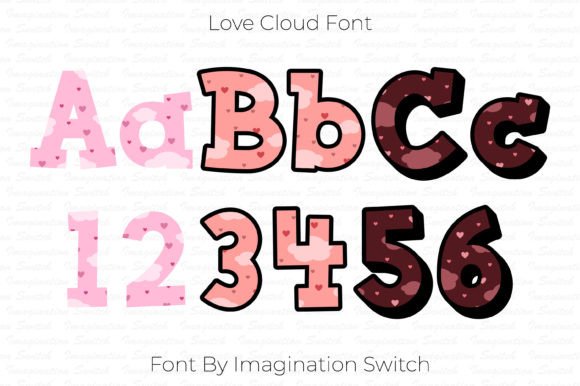
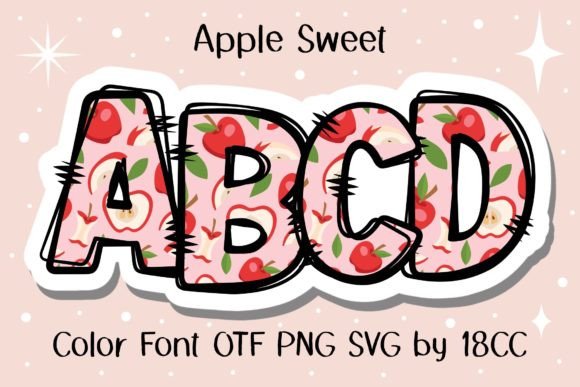
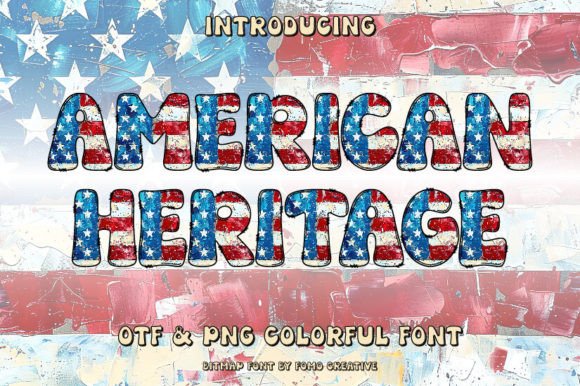
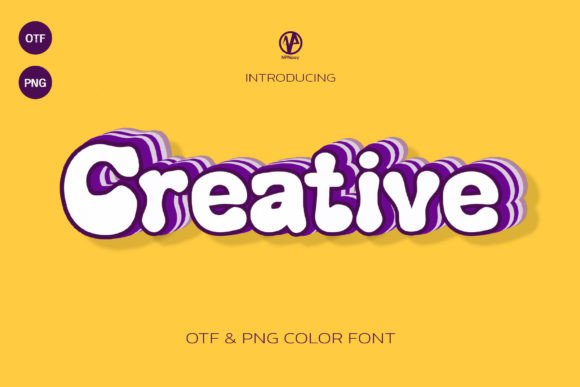
In a digital landscape saturated with minimalist sans-serifs, a well-chosen retro typeface can be your secret weapon for standing out. Enter Creative, a cool, retro, and cute color font designed to inject personality and visual impact into a wide spectrum of applications. This isn't just another typeface; it's a comprehensive design asset that combines nostalgic charm with modern functionality, perfect for designers, marketers, and creators seeking to elevate their work with a unique visual voice.
Understanding the Power of a Color Font
Unlike traditional single-color fonts, a color font like Creative contains embedded color information, gradients, and textures within the typeface file itself. This allows for intricate, multi-hued designs that would typically require complex layering or illustration. The result is a polished, professional presentation with a single text element, streamlining your design workflow and ensuring consistency across your creative projects. This innovation in typography is a key part of modern design trends, offering a fresh alternative to flat, monochromatic text.
Practical Applications Across Design Disciplines
The versatility of Creative makes it a valuable addition to any designer's toolkit. Its playful yet professional aesthetic bridges the gap between whimsical and impactful, making it suitable for numerous contexts:
- Branding & Logo Design: Create a memorable brand identity with a logo that radiates character. The retro color font style is ideal for brands targeting audiences who appreciate nostalgia, craftsmanship, or a fun, approachable image.
- Marketing & Social Media Graphics: Stop the scroll. Use Creative for eye-catching headlines on social media posts, digital ads, and email campaigns to boost engagement and convey a distinct brand personality.
- Packaging & Merchandise Design: Stand out on the shelf or in an online store. This font adds a tactile, handcrafted feel to product labels, stickers, and merchandise, enhancing perceived value and user experience.
- Editorial & Web Design: Apply it strategically for pull quotes, section headers, or feature titles in magazines, blogs, and website hero sections to create visual hierarchy and draw the reader's eye.
- Print Projects: Perfect for greeting cards, invitations, posters, and flyers, where its vibrant, pre-colored style delivers maximum visual impact with minimal production hassle.
Tips for Effective Implementation
To leverage Creative effectively, consider these best practices for typography and visual design:
- Ensure Readability: Use this decorative font for headlines, titles, and short bursts of text. For body copy, pair it with a clean, highly readable sans-serif or serif font to maintain a clear visual hierarchy and optimal user experience.
- Check Compatibility: This is crucial. The color version is compatible with specific design programs like Adobe Photoshop, Illustrator, Silhouette, and Inkscape. Note that OTF/TTF color files are not compatible with Cricut machines. Always verify software support before purchasing.
- Maintain Brand Consistency: While Creative is bold, ensure its use aligns with your overall color palette and brand voice. It should complement, not clash with, your existing brand identity system.
- Consider Scalability: Test the font at various sizes to ensure the details remain crisp and legible, whether used on a large-format banner or a small digital sticker.
Thoughtful design choices are the foundation of effective visual communication. By integrating a specialized asset like the Creative color font into your projects, you move beyond generic templates to create work that resonates emotionally and stands out visually. It represents a strategic investment in quality creative assets that can significantly improve both the aesthetic appeal and the communicative power of your designs, helping you connect more deeply with your intended audience.