Camouflage Sketch: A Bold Font for Authentic Design
Every designer seeks that perfect element that injects instant personality and edge into a project. Finding a typeface that breaks the mold of standard fonts can be the key to unlocking a more dynamic and memorable visual identity. This is where a unique resource like Camouflage Sketch enters the creative toolkit, offering a distinct military-inspired aesthetic with a free-hand sketch quality.Defining the Aesthetic and Its Role
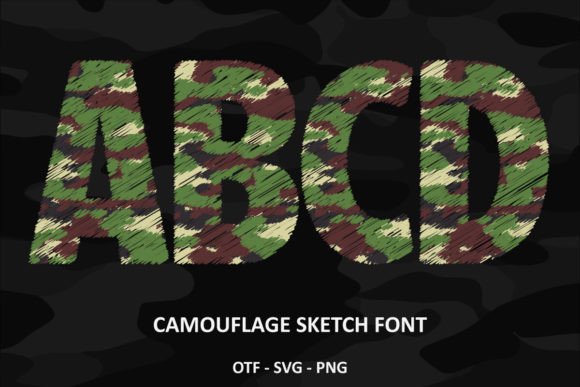
Camouflage Sketch is a color font characterized by its military camouflage pattern fill and sketched outline. This combination creates a visual texture that is both tactical and artistic. In modern graphic design, where authenticity and tactile qualities are highly valued, this style of typography helps bridge the gap between digital polish and human touch. It contributes to a stronger visual hierarchy, drawing the eye immediately and setting a specific tone for the entire composition.
Effective visual communication relies on every element working in harmony. A font like this doesn't just display words; it conveys a mood of action, resilience, or adventurous spirit. For brand identity, it can signal that a company is bold, unconventional, or connected to outdoor, athletic, or creative industries. Its inherent texture adds depth to flat designs, enhancing user engagement through visual interest.
Practical Applications for Creative Projects
The versatility of a distinctive typeface allows it to shine across multiple design disciplines. Its primary strength lies in applications where headline impact is crucial. Consider integrating Camouflage Sketch into the following creative projects to maximize its effect:
- Branding and Logo Design: Use it for logotypes targeting niches like sportswear, tactical gear, music festivals, or creative studios. It establishes an immediate identity that is hard to forget.
- Marketing Materials: Create standout posters, flyers, and event graphics. Its bold appearance ensures key messages are noticed in crowded visual spaces.
- Social Media Content: Design eye-catching thumbnails, promotional banners, and story graphics that stop the scroll. The unique style helps in building a consistent and recognizable social media presence.
- Web and UI Design: Apply it selectively for hero section headlines or call-to-action buttons to inject energy. It should be used sparingly to maintain readability and complement cleaner body fonts.
- Editorial and Packaging Design: Add a dynamic edge to magazine spreads, book covers, or product packaging. It works exceptionally well for titles and accents in layouts that need a burst of personality.
Strategic Selection and Implementation
Choosing and using any creative asset requires thoughtful evaluation. When incorporating a textured, display font like Camouflage Sketch, consider these factors to ensure a professional presentation:
- Audience and Context: Align the font's energetic style with your target audience's expectations. It may be perfect for a gaming brand but less suitable for a traditional law firm's primary branding.
- Readability and Scalability: Test the font at various sizes. Sketch-style fonts excel in large headlines but can lose clarity in small body text. Ensure your message remains clear across different applications.
- Consistency and Harmony: Build a coherent design system. Pair this distinctive font with simpler, neutral typefaces for body copy to create balance. Maintain a consistent color palette that complements the camouflage tones.
- Technical Compatibility: Be mindful of file formats and software requirements. For instance, the black version may work with cutting machines for physical projects, while the full-color version is designed for specific digital design programs. Always verify compatibility with your design workflow.
Ultimately, the power of any design element lies in its intentional use. A resource like Camouflage Sketch is not a universal solution but a specialized tool for creating specific visual narratives. By thoughtfully applying its unique character, designers can elevate projects from ordinary to exceptional, ensuring their work communicates with both clarity and compelling style. Quality creative assets, when used wisely, are the building blocks of memorable and effective visual communication.