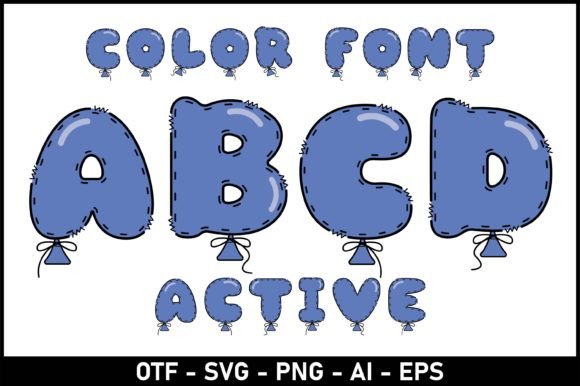
Active: The Dynamic Font for Playful & Artistic Design
In the ever-evolving landscape of visual design, typography remains a cornerstone of effective communication, with certain styles, like the Active font family, proving essential for projects that demand energy and creativity. These fonts are often used in designs that aim to convey a playful or artistic feel, such as children’s books, posters, invitations, greeting cards, and more. For instance, children’s books often utilize fonts that are whimsical, colorful, and easy to read, creating an engaging reading experience for young audiences. Understanding how to leverage such typographic choices is key to modern graphic design, impacting everything from brand identity to user engagement.
The Role of Playful Typography in Modern Design
Typography is more than just selecting a pretty typeface; it's a strategic element of visual hierarchy and brand communication. Fonts with a dynamic, hand-drawn, or rounded character—categorized here as "Active" styles—inject personality and approachability into a design. They break the monotony of standard serif or sans-serif fonts, making content feel more human and relatable. In branding, this can differentiate a startup in a crowded market. For marketing materials, it captures attention quickly, a crucial factor in digital marketing and social media graphics where first impressions are formed in milliseconds.
Practical Applications Across Creative Projects
The utility of an energetic font style extends far beyond a single application. Its versatility makes it a valuable creative asset in a designer's toolkit. Consider its impact across various domains:
- Branding & Logo Design: Ideal for brands targeting families, creatives, or the wellness industry, conveying friendliness and innovation.
- Editorial & Packaging Design: Perfect for book titles, magazine headlines, or product packaging that needs to stand out on a shelf with a modern aesthetic.
- Digital & UI Design: Can be used for call-to-action buttons, app interfaces, or website headers to guide the user's eye and enhance UX design with a touch of delight.
- Advertising & Social Media: Creates scroll-stopping graphics for Instagram stories, Facebook ads, or video thumbnails, improving engagement rates.
Tips for Effective Implementation
While a playful font adds character, its effectiveness hinges on thoughtful integration. To maintain professionalism and ensure your design workflow is efficient, follow these guidelines:
- Prioritize Readability: Always test fonts at various sizes. A whimsical style should never compromise clarity, especially in body text or critical UI elements.
- Maintain Visual Hierarchy: Use such fonts for headlines, pull quotes, or accent text. Pair them with a more neutral, highly legible font for paragraphs to create balance.
- Consider Context & Audience: A font perfect for a children's birthday invitation may not suit a corporate financial report. Align your typographic choice with audience expectations and project goals.
- Check Scalability & Compatibility: Ensure the font renders well across different devices and mediums, from a small mobile screen to large-format print design.
Ultimately, the most successful designs are those where every element, from color palette to imagery, works in concert to tell a cohesive story. Thoughtful typography is a powerful tool in that narrative, capable of transforming a simple message into a memorable experience. By selecting and applying creative assets with intention—whether for a logo, a website, or a merchandise line—designers and creators can significantly elevate both the aesthetic appeal and communicative power of their work.